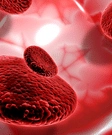
Thalassemia in India
Thalassemia is an inherited blood disorder which makes the body produce an abnormal amount of hemoglobin in the blood
What is Thalassemia?
Thalassemia is a genetic blood disorder. It occurs due to problems with the formation of hemoglobin in the red blood cells (RBC).As a result, you will have less number of healthy RBCs in your blood. It leads to problems like anemia.
Thalassemia is always present at birth, and the signs will start showing by the sixth month. The symptoms will depend on the severity of the anemia. In some cases, it will be mild, while in others, it will range from moderate to severe.
The treatment will be according to the severity of the symptoms. Blood transfusions to increase the numbers of RBCs is one option. It helps to control the symptoms by increasing the levels of oxygen in the blood.
The only treatment that can cure Thalassemias is a bone marrow transplant. Thalassemias occur due to defects in the stem cells that grow into RBCs. During a bone marrow transplant, the doctors will destroy the abnormal stem cells and replace them with healthy stem cells from a donor.
Causes of thalassemia
Thalassemias occur due to a defect in the hemoglobin in the RBCs. The defect occurs due to problems with genes that control the production of hemoglobin in your body.
As you may know, genes control the functions of all cells in your body. They tell the cells what to do, how to do, and when to do. They also control the way cells divide and how long the cells should live. So any problems with the genes can affect the way a cell functions.
In your body, it is the RBCs that produce hemoglobin. Hemoglobin consists of four protein chains. Two of these are alpha chains, while the other two are beta chains.
Four genes in your body control the production of alpha chains. You get two of these genes from your father, while the other two come from your mother. If one or two of these genes are having problems or are missing, you have alpha Thalassemia trait. If more than two genes are missing, you will have severe forms of alpha thalassemia. If all four genes are missing or having problems, the condition is called alpha Thalassemia major
Two genes control the production of the beta chains. You get one from the mother and the other from the father. Beta thalassemias occur due to changes in these genes. You will have a beta-thalassemia major or Cooley's anemia if the defects in genes are severe.
Risk factors of thalassemia
Thalassemia is an inherited disorder that occurs due to a fault in the genes. It is always present at birth and will be there for the rest of a person's life.
To have the disease, one should have parents who suffer from it or are carriers of it. So having parents or being born in a family with thalassemia is the biggest risk.
Also, it is more common in people of some ethnic backgrounds like Africans, Asians, Mediterranean, etc.
Types of thalassemia
Thalassemias occur due to problems in the protein chains of the hemoglobin.
The two main chains are the alpha and beta chains.
- Alpha thalassemia- You have this if the problem is with the alpha chain
- Beta thalassemia- You will have it if the problem is with the beta chain
Thalassemia major- A severe type of the disease where more than three genes have a problem
Thalassemia Minor - A moderate type that occurs due to one or two faulty genes
Thalassemia trait- A mild type when only a single gene is faulty
Thalassemia carrier- A person who does not have any symptoms of the disease can pass it on to his or her children.
Signs and symptoms of thalassemia
You have symptoms and signs of thalassemia due to lower levels of oxygen in the blood. It occurs due to a lack of healthy RBCs and hemoglobin in your blood. All those who have thalassemia will have anemia. The severity will depend on the type of disease.
The signs of the disease occur by the time a baby reaches six months of age. In less severe types, these show up only during late childhood. Also, the signs and symptoms may vary from person to person.
Some of the common symptoms are
- Drowsiness
- Shortness of breath
- Rapid heart rate
- Cold hands and feet
- Dizziness
- Fatigue
- Fainting
- Delayed growth
- Chest pain
Some of the other signs of thalassemia include
- Delay in growth and puberty- It happens due to the effects of anemia.
- Deformities of the large bones in the body- It occurs when the body tries to make more bone marrow to make up fewer RBCs. The newly formed bone marrow puts pressure on the bones and changes its shape.
- Enlarged spleen- Spleen is an organ that destroys defective blood cells in the body. In thalassemia, there will be a high number of RBCs with defects. So, the spleen will have to work more to destroy these making it enlarge.
Diagnosis of thalassemia
If a child shows any signs of the disease, the doctor will suggest a blood test. It will help to detect any defect in the shape and structure of the RBCs and hemoglobin. It will also tell you about the type of disease you have.
Bone marrow transplant for thalassemia
Bone marrow or stem cell transplant is the only treatment to cure thalassemia.
In a bone marrow transplant, you will receive a part of the bone marrow from a donor. The bone marrow will contain stem cells.
In a stem cell transplant, you will receive stem cells from a donor. The doctors will source the stem cells from the donor by a method called apheresis.
Apheresis helps to separate stem cells in the peripheral blood. For this, the donor's blood will pass through an apheresis machine that helps separate the stem cells.
Your bone marrow is a spongy tissue that lies inside the bones that produce blood cells, including RBCs, WBCs, blood platelets, etc. All these blood cells form from a precursor stem cell. In thalassemia, a problem with the stem cells leads to the production of faulty hemoglobin in the RBCs.
So a bone marrow transplant can help cure the disease. In a BMT, the doctor will remove your diseased bone marrow and replace it with healthy bone marrow.
You will have the bone marrow from a donor whose blood type matches yours. Siblings are usually the best matches, but unrelated persons can also be donors.
A stem cell or bone marrow treatment is a highly specialized procedure. A team of BMT specialists will do it in a hospital with the necessary facilities.
The procedure has three main steps. They are
- Destroying your defective bone marrow through chemotherapy or radiation
- Sourcing the bone marrow from the donor
- Transplanting the donor bone marrow to your body.
You will receive the donor bone marrow through a central line in your chest. Once it enters your blood, it moves towards the empty marrow spaces. On reaching there, it engrafts into the new space. Then it will start producing healthy blood cells, including RBCs, without defects. Thus, a BMT helps to cure your disease.
You will be in the hospital for about two weeks. The success rate in younger patients is higher than that of adults. Those who have it in their childhood will have a higher chance of survival.
After a stem cell transplant, you will be on immunosuppressants to prevent your body from rejecting the bone marrow. You will have to take it for the rest of your life. As the drugs reduce your immunity, you will have to be careful to avoid any infection. Taking appropriate care, as suggested by the doctor, will help to prevent complications.
Despite the best efforts of the doctors, there is a chance that your body will reject the new bone marrow. 'Graft failure' usually will occur in the first few days, and the chances will decrease with time. But taking immunosuppressants for the rest of your life is essential for maintaining success.
Blood transfusions- You will get fresh blood packed with RBC's during it. It helps to increase the number of RBC's and your hemoglobin levels.
You will have the transfusion through an IV line on one of the veins in your arms. The procedure will take about 2 to 3 hours.
As the hemoglobin level increases, your cells get more oxygen, which helps to reduce the complications. You will need transfusions at regular intervals to keep the level of RBCs stable. How often you will need it will depend on your type of disease and condition. You may need it once every 2 to 3 weeks to once in 3 months.
The blood you will have will be checked thoroughly to prevent transmission of viral or bacterial infections. For this, you should have the treatment only under the care of your doctor. One other issue you will face is the high cost involved.
Iron chelation therapy- It helps remove the excess iron that builds up in your body due to regular blood transfusions. The excess iron will get deposited in organs like the liver, heart, etc. to cause problems.
So you will need treatments to contain the iron overload. You will have medicines that help to remove the excess iron from the body. It will be in the form of pills or injections below your skin.
Folic acid therapy- Folic acid or Vitamin B12 promotes the formation of more RBC's in your body. Your doctor will prescribe folic acid pills for this.
All these treatments aim to reduce your symptoms and prevent complications. In short, these do not help cure the disease. The only treatment that can cure it is a bone marrow transplant.
Prognosis
Most of those with mild forms of the disease will not have any problems in life. The symptoms will not worry them to affect their life.
Those with moderate to severe types will need blood transfusions regularly. A bone marrow transplant will help to cure the disease
Top Hospitals for Thalassemia
We partner with India's most respected accredited hospitals.



Frequently Asked Questions
Thalassemias occur due to a defect in the hemoglobin in the RBCs. The defect occurs due to problems with genes that control the production of hemoglobin in the body. Parents who carry the defective genes pass them on to their children. That is why Thalassemia is hereditary and runs in some families
The signs of the disease occur by the time a baby reaches six months of age. In less severe types, it occur later on in childhood. Also, the signs and symptoms may vary from person to person.
Some of the common symptoms are
- Drowsiness
- Shortness of breath
- Rapid heart rate
- Cold hands and feet
- Dizziness
- Fatigue
- Fainting
- Delayed growth
- Chest pain
Your treatment will depend on the severity of symptoms . Those with few or no symptoms will not need any treatment.
If your symptoms are severe, you may have some procedures to manage the symptoms better
- Blood transfusions- You may need it once every 2 to 3 weeks to once in 3 months.
- Iron chelation therapy-It helps to remove the excess iron that builds up in your body due to regular blood transfusions.
- Folic acid therapy- To promote the formation of more RBC's in your body.
The only treatment that can cure it is a bone marrow transplant.
Bone marrow transplant (BMT) is the only treatment that can cure thalassemia.The approximate cost of BMT for thalassemia In India will be between 20,000 to 35,000 USD
Get a Free Quote
We respond within 2 working hours.
Request Received!
A coordinator will contact you within 2 working hours.