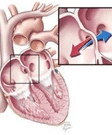
ASD Repair in India
Atrial Septal Defect (ASD) is a common congenital heart defect in children. ASD repair surgery is the treatment of choice for this. Learn more about the hospitals in India for ASD repair. Get a free treatment plan from these hospitals
Get a Free Quote
Our coordinators respond within 2 working hours.
🔒 100% confidential. No spam, ever.
Your Journey with INDHEAL
Free Consultation
Share your medical reports. Our coordinators connect you with the right specialist within 2 working hours.
Travel to India
We arrange your visa letter, airport pickup, and accommodation near the hospital.
Treatment
Your procedure at a JCI or NABH accredited hospital with an internationally trained surgeon.
Recovery
Recuperate comfortably with dedicated nursing care and daily coordinator check-ins.
Follow-up
Return home with full medical records and ongoing remote follow-up from your care team.
ASD Repair — Key Facts
- 1 in 700 babies are born with ASD
- 10-15% of all congenital heart diseases (CHD) are due to ASD
- Girls are more prone to ASD than boys
Why Choose India for ASD Repair?
Save 60–80%
World-class treatment at a fraction of US, UK or Australian costs — without compromising on quality.
Expert Surgeons
Internationally trained specialists with thousands of successful procedures and global accreditations.
No Wait Times
Get treated within days of arrival. Full concierge support for visa, travel and accommodation.
Key Factors to Know
What Affects the Cost?
Understanding what goes into the price helps you plan better.
- Hospital Type & Location: Premium JCI-accredited private hospitals charge more but offer international-standard care, advanced cardiac facilities, and specialized treatment units.
- Surgeon’s Expertise: Accurate assessment of the defect and selecting the right approach (device closure vs open-heart surgery) are crucial. Experience in handling complications and ensuring optimal closure significantly impacts outcomes and cost.
- Type of Procedure: The choice between open-heart surgery and catheter-based (device) closure depends on the size and type of the defect. Device closure using occluder devices is less invasive but can be more expensive due to device costs.
- Pre & Post-operative Care: Pre-operative care includes confirming the type and size of the Atrial Septal Defect (ASD), evaluating heart function and pulmonary pressure, and treating any infections or related conditions. Post-operative care involves regular follow-ups with echocardiograms and ECGs, along with medications such as antiplatelets or blood thinners as prescribed.
- Travel & Accommodation: Additional expenses include flight costs, local stay during recovery, medical visa fees, and costs for attendants or caregivers.
What Affects the Success Rate?
Key factors that influence outcomes for ASD Repair.
- Surgeon’s Experience: High-volume expertise in Atrial Septal Defect (ASD) closure ensures precise repair, lower complication rates, and better overall success outcomes.
- Hospital Accreditation: Choosing JCI or NABH-accredited hospitals ensures adherence to high standards of care, safety protocols, and advanced cardiac treatment facilities.
- Defect Complexity & Patient Factors: Smaller and simpler defects are easier to treat with better outcomes. Early intervention, especially during childhood, improves success rates. Patient age, overall health, and pre-existing heart condition also play a key role in treatment outcomes.
- Rehabilitation: Recovery includes gradual return to physical activity, regular heart monitoring and follow-ups, adherence to prescribed blood thinners or antiplatelets, and proper wound care to prevent infection.
- Pre-ASD Closure Planning: Detailed evaluation using echocardiography or TEE to confirm the type and size of the defect, deciding between device closure or surgery, assessing heart function and pulmonary pressure, and selecting the appropriate device size or surgical approach for optimal results.


Frequently Asked Questions
An atrial septal defect is a developmental disorder present at birth. What exactly causes it is not very clear. There are certain factors affecting mothers during pregnancy that increase the risk of ASD and other heart defects in babies. Some of the known risk factors are family history of heart defects, mother on certain medications in early pregnancy, diabetes in mother from early pregnancy, IVF pregnancy, anomaly scan showing a defect in any other organ system of the fetus (brain, gut, kidney etc). A vast majority of babies or adults with ASDs do not have any family history
An ASD is not life threatening. Most common type of isolated ASDs can be closed in a planned manner
No, both the methods to close ASDs (the surgical method and the catheterization-device method) are permanent, one time procedures
Ready to get started?
Free consultation. No commitment. Response within 2 working hours.
Get a Free Quote
We respond within 2 working hours.
Request Received!
A coordinator will contact you within 2 working hours.