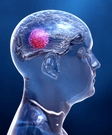
Brain Tumor in India
A brain tumor is a mass or growth of abnormal cells in the brain which may need surgery, radiation or chemotherapy
Get a Free Quote
Our coordinators respond within 2 working hours.
🔒 100% confidential. No spam, ever.
Your Journey with INDHEAL
Free Consultation
Share your medical reports. Our coordinators connect you with the right specialist within 2 working hours.
Travel to India
We arrange your visa letter, airport pickup, and accommodation near the hospital.
Treatment
Your procedure at a JCI or NABH accredited hospital with an internationally trained surgeon.
Recovery
Recuperate comfortably with dedicated nursing care and daily coordinator check-ins.
Follow-up
Return home with full medical records and ongoing remote follow-up from your care team.
Brain Tumor — Key Facts
- There are more than 120 different types of Brain tumor
- More than 1000 cases of brain tumor are diagnosed every day around the world
- The most common type of primary malignant brain tumour is glioblastoma
Why Choose India for Brain Tumor?
Save 60–80%
World-class treatment at a fraction of US, UK or Australian costs — without compromising on quality.
Expert Surgeons
Internationally trained specialists with thousands of successful procedures and global accreditations.
No Wait Times
Get treated within days of arrival. Full concierge support for visa, travel and accommodation.
Key Factors to Know
What Affects the Cost?
Understanding what goes into the price helps you plan better.
- Hospital Type & Location: Premium JCI-accredited private hospitals charge more but offer international-standard care, advanced neurosurgical infrastructure, and specialized brain tumor treatment units.
- Surgeon’s Expertise: Brain tumor surgery demands high precision to remove the tumor while preserving critical brain functions. Highly experienced neurosurgeons and advanced techniques contribute to higher costs but better outcomes.
- Tumor Type & Treatment Method: Costs vary based on whether the tumor is benign or malignant, its depth and complexity within the brain, and the chosen treatment approach—surgery, radiation therapy, chemotherapy, or a combination of these.
- Pre & Post-operative Care: Pre-operative care includes MRI/CT scans and functional brain mapping to accurately locate the tumor and plan safe removal, along with management of brain swelling and seizures. Post-operative care involves monitoring brain function and pressure changes, physiotherapy, speech or cognitive therapy, and regular follow-up imaging.
- Travel & Accommodation: Additional costs include flight expenses, local accommodation during recovery, medical visa fees, and attendant or caregiver expenses.
What Affects the Success Rate?
Key factors that influence outcomes for Brain Tumor.
- Surgeon’s Experience: The ability to completely remove the tumor while preserving critical brain functions is essential. Advanced neuro-oncology expertise in managing deep or large tumors and coordinating surgery with radiation or chemotherapy ensures the best outcomes.
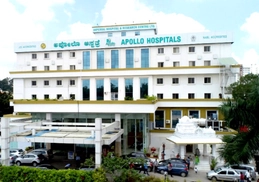
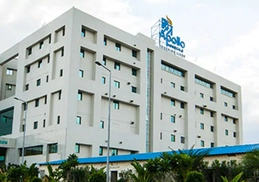
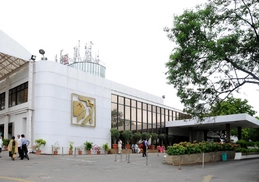
- Hospital Accreditation: Opting for JCI or NABH-accredited hospitals ensures high standards of care, safety protocols, and access to advanced neurosurgical facilities.
- Key Factors Affecting Success Rate: Early recognition of symptoms such as persistent headaches, seizures, vision changes, vomiting, or unexplained neurological deficits allows prompt evaluation. Smaller tumors generally have better success rates.
- Rehabilitation: Involves regular assessment of brain functions including speech, memory, movement, and vision, along with follow-up imaging, seizure control, and proper medication management.
- Pre-treatment Planning: Includes MRI/CT scans, biopsy (if required), and functional brain mapping to determine tumor type, size, and location, followed by planning the appropriate treatment approach—surgery, radiation, chemotherapy, or a combination.
Frequently Asked Questions
Headaches are the most common symptom of brain tumors. The headaches are usually worse in the mornings. It also gets worse with activity. a. Nausea and vomiting without any cause is another common symptom. In some, seizures are the initial symptom. The symptoms usually depend on the size and location of the tumor
It is possible to remove early-stage brain tumors through surgery completely. Aggressive tumors that grow very fast or slowly are difficult to cure. Glioblastoma multiforme, a brain tumor in adults is one of the deadliest of all brain tumors. Some of the factors affecting a successful treatment are the size, location, type, and grade of the tumor
Sudden-onset headaches, nausea, and vomiting, seizures, vision problems, etc are some of the early symptoms of brain tumors. If your doctor suspects a brain tumor, you will have a few tests. A contrast MRI will help to precisely detect the size and location of the tumor. A biopsy will help to determine the type, grade, and stage of the tumor
Ready to get started?
Free consultation. No commitment. Response within 2 working hours.
Get a Free Quote
We respond within 2 working hours.
Request Received!
A coordinator will contact you within 2 working hours.