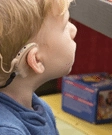
Cochlear Implant in India
Cochlear implant is an electronic device which bypasses the inner ear(cochlea) and sends sound signals directly to the brain.
Get a Free Quote
Our coordinators respond within 2 working hours.
🔒 100% confidential. No spam, ever.
Your Journey with INDHEAL
Free Consultation
Share your medical reports. Our coordinators connect you with the right specialist within 2 working hours.
Travel to India
We arrange your visa letter, airport pickup, and accommodation near the hospital.
Treatment
Your procedure at a JCI or NABH accredited hospital with an internationally trained surgeon.
Recovery
Recuperate comfortably with dedicated nursing care and daily coordinator check-ins.
Follow-up
Return home with full medical records and ongoing remote follow-up from your care team.
Cochlear Implant — Key Facts
- Over 5% (more than 450 million) of the world population have hearing loss
- Hearing loss occurs in 5 out of every 1000 newborns
- The causes of about 60% of childhood hearing loss can be prevented
- 30-40% of people above 65 have some type of hearing loss
Why Choose India for Cochlear Implant?
Save 60–80%
World-class treatment at a fraction of US, UK or Australian costs — without compromising on quality.
Expert Surgeons
Internationally trained specialists with thousands of successful procedures and global accreditations.
No Wait Times
Get treated within days of arrival. Full concierge support for visa, travel and accommodation.
Key Factors to Know
What Affects the Cost?
Understanding what goes into the price helps you plan better.
- Hospital Type & Location: Premium JCI-accredited private hospitals charge more but offer international-standard care, advanced ENT facilities, and specialized cochlear implant programs.
- Surgeon’s Expertise: Advanced ENT/neurotology expertise ensures safer implantation, lower complication rates, and better hearing outcomes after activation and rehabilitation, which can increase overall treatment cost.
- Implant System & Case Complexity: Premium cochlear implant systems are more expensive. Additional factors such as inner ear abnormalities or revision surgeries further increase the cost.
- Pre & Post-operative Care: Pre-operative care includes audiology tests, CT/MRI scans, and fitness assessment, along with setting realistic expectations for hearing outcomes. Post-operative care involves surgical site care, device activation after healing, and regular mapping sessions to optimize hearing performance.
- Travel & Accommodation: Additional expenses include flight costs, local accommodation during recovery, medical visa fees, and costs for attendants or caregivers.
What Affects the Success Rate?
Key factors that influence outcomes for Cochlear Implant.
- Surgeon’s Experience: Accurate placement of the implant electrode within the cochlea and the ability to manage complex ear anatomy are critical for optimal hearing outcomes and long-term success.
- Hospital Accreditation: Opting for JCI or NABH-accredited hospitals ensures high standards of care, safety protocols, and access to advanced cochlear implant programs.
- Key Factors Affecting Success Rate: Early recognition of hearing loss and implantation at a younger age—preferably before prolonged hearing deprivation—lead to better speech and language development outcomes.
- Rehabilitation: Includes initial device switch-on followed by regular mapping sessions to optimize hearing signals, along with structured auditory and speech exercises to help the brain interpret sounds effectively.
- Pre-treatment Planning: Involves audiology tests, CT/MRI scans, and fitness evaluation to confirm candidacy, selecting the appropriate implant type, and planning long-term speech therapy, mapping schedules, and expected outcomes.
Top Hospitals for Cochlear Implant
View all →



Frequently Asked Questions
Cochlear implants are electronic devices that can improve the hearing ability in those with severe hearing problems. It works by converting sounds into electrical signals. These signals stimulate the auditory nerve which carries these signals to the brain, creating a sense of sound
Any person (adult or child) who has a profound hearing loss in both ears can benefit from a cochlear implant. It is important to have an assessment by the doctor as it may not be the right option for everyone
Some of the main drawbacks of cochlear implants are
- The cost of the implants is very high
- You will lose any natural hearing ability that you may have had after the implant
- In some persons, the implants fail to improve hearing
- Contact sports, physical trauma, falls, etc. can damage the implants
- You will have the remove the outer part while bathing, swimming, etc
Ready to get started?
Free consultation. No commitment. Response within 2 working hours.
Get a Free Quote
We respond within 2 working hours.
Request Received!
A coordinator will contact you within 2 working hours.