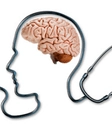
Epilepsy Surgery in India
Resective surgery is the most common surgery for epilepsy (seizure disorder) where a small portion of the brain is removed
Get a Free Quote
Our coordinators respond within 2 working hours.
🔒 100% confidential. No spam, ever.
Your Journey with INDHEAL
Free Consultation
Share your medical reports. Our coordinators connect you with the right specialist within 2 working hours.
Travel to India
We arrange your visa letter, airport pickup, and accommodation near the hospital.
Treatment
Your procedure at a JCI or NABH accredited hospital with an internationally trained surgeon.
Recovery
Recuperate comfortably with dedicated nursing care and daily coordinator check-ins.
Follow-up
Return home with full medical records and ongoing remote follow-up from your care team.
Epilepsy Surgery — Key Facts
- More than 50 Million people have Epilepsy around the world
- 9% of all people will have at least one seizure during their life
- Typical seizure will last for 30-60 seconds
- More than 60% of the adult cases with Epilepsy have at least 4 other chronic conditions
- 30-40% of the pediatric cases have epilepsy without seizures
Why Choose India for Epilepsy Surgery?
Save 60–80%
World-class treatment at a fraction of US, UK or Australian costs — without compromising on quality.
Expert Surgeons
Internationally trained specialists with thousands of successful procedures and global accreditations.
No Wait Times
Get treated within days of arrival. Full concierge support for visa, travel and accommodation.
Key Factors to Know
What Affects the Cost?
Understanding what goes into the price helps you plan better.
- Hospital Type & Location: Premium JCI-accredited private hospitals charge more but offer international-standard care, advanced neurology infrastructure, and specialized epilepsy treatment units.
- Surgeon’s Expertise: Highly experienced epilepsy surgeons use advanced diagnostics and surgical techniques, which can increase upfront costs but improve precision and outcomes.
- Type of Surgery & Technology: The cost varies based on the procedure—resective surgery, laser ablation, or neuromodulation. Pre-surgical evaluation, case complexity, and the use of advanced technologies like robotic surgery, neuronavigation, and intraoperative monitoring significantly influence the total cost.
- Pre & Post-operative Care: Pre-operative care includes medical optimization by adjusting anti-seizure medications and assessing overall fitness. Post-operative care involves neurological monitoring, seizure tracking, medication management, and follow-ups, all contributing to the overall expense.
- Travel & Accommodation: Additional costs include flights, local accommodation during recovery, medical visa fees, and expenses for attendants or caregivers.
What Affects the Success Rate?
Key factors that influence outcomes for Epilepsy Surgery.
- Surgeon’s Experience: Experienced epilepsy surgeons optimize diagnostic investigations and select the most appropriate procedure (such as resection or Vagus Nerve Stimulation), helping reduce unnecessary costs and the need for re-interventions.
- Hospital Accreditation: Choosing JCI or NABH-accredited hospitals ensures high standards of care, safety protocols, and access to advanced neurology facilities.
- Key Factors Affecting Success Rate: The type of epilepsy, accurate localization of the seizure focus, cause and duration of the condition, type of surgery, completeness of resection, and the specific brain area involved all significantly influence outcomes.
- Rehabilitation: Post-surgery care includes monitoring cognitive function, speech, memory, and motor skills. Anti-seizure medications are continued and gradually adjusted. Patients are guided for a gradual return to daily activities, with physiotherapy and support for memory or emotional changes when needed.
- Pre-surgery Planning: Comprehensive evaluation includes neurological, cognitive, and overall fitness assessments. Planning involves choosing the best surgical approach (resection vs device-based therapies) and functional brain mapping to avoid critical areas responsible for speech and movement.


Frequently Asked Questions
Most of the epilepsy medicines are safe for long-term use. In a few, some medicines will create some undesirable side effects. Changing the medicines to a suitable one will help. Any person with epilepsy will have to take medicines regularly for a long time. Medicines can only be stopped when there are no instances of seizures for years together. In children, this will be two to three years while in adults this will be two to five years
Anti-epileptic medications are the most common treatment for epilepsy. These help to keep the seizures under check,. But in some persons, these medicines become less effective after some years. If this happens to you, epilepsy surgery is an option to prevent seizures. During an epilepsy surgery, the surgeon will either remove the focus of seizures or isolate it from the rest of the brain
Epilepsy surgery aims to prevent seizures by removing or isolating the focus of seizures in the brain. The surgeon will be very careful to avoid any damage to areas of the brain controlling critical functions. Usually, the benefits of the surgery far outweigh the risks. Some of the common risks are memory problems, mood changes, depression, etc. The severity of problems will vary from person to person. The problems are usually temporary and getc better with time
Ready to get started?
Free consultation. No commitment. Response within 2 working hours.
Get a Free Quote
We respond within 2 working hours.
Request Received!
A coordinator will contact you within 2 working hours.