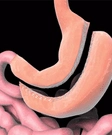
Gastric Sleeve in India
Gastric Sleeve or Sleeve gastrectomy is a weight loss procedure where more than 2/3rd of the stomach is removed
What is Gastric Sleeve?
Gastric sleeve surgery also called a sleeve gastrectomy, is a type of weight loss surgery. It reduces the size of your stomach to the size of a 'banana.' The surgeon will remove around eighty percent of your stomach during it.
After a sleeve gastrectomy, you can take only small quantities of food as the stomach is small in size. There will also be a decrease in the levels of 'hunger hormones' like ghrelin making you less hungry than before. These help you to lose weight as you eat less than before.
Gastric sleeve surgery also helps control obesity-linked complications like type 2 diabetes, hypertension, sleep apnea, osteoarthritis knees, backache, etc.
You can have a laparoscopic or robotic surgery according to your condition.
In laparoscopic surgery or robotic surgery, you will have a few small tiny punctures.The length of surgery will be about 1 to 2 hours, and the hospital stay will be about 3 to 4 days. You will start losing weight in about a week after the procedure continuing up to 2 years after the procedure.
Gastric sleeve surgery- Who can have it?
Being overweight or obese can cause a lot of health issues. You may have severe hypertension, type 2 diabetes, sleep apnea, to name a few. Heart and lung problems also occur in some.
If you are overweight, your doctors will ask you to control your diet and do physical exercises. Diet control helps to reduce the intake of calories, and exercises help to burn the excess fat in your body.
But in some, it does not give the desired results, and they go on to gain more weight. Then, the other best option is to go for weight loss surgery.
Gastric sleeve surgery is a type of weight loss surgery where the surgeon reduces the size of your stomach.
This surgery is for you if
- Diet control and physical exercises do not help you to lose weight
- You have a BMI of more than 36
- You have a BMI of more than 33, and you have more than one health complication like hypertension, type 2 diabetes, sleep apnea, etc
- You are fit to have major surgery and recover from it
- You are of a sound mind to understand the procedure, its results, risks, etc.
- You can motivate and commit yourself to a new life, especially with food habits, after the surgery.
A gastric sleeve is usually safe in all age groups and is the most physiological amongst all bariatric procedures. Although common in the age group of 20 to 65, it is a great option for teenagers and those above sixty.
Gastric sleeve surgery- Who cannot have it?
A weight loss surgery is not a miracle procedure that helps reduce weight overnight. It takes a lot of effort on your part before and after to reach your goal. If you do not have the commitment and motivation to put in the effort, the surgery is not for you.
Before the surgery, your doctor will ask you to prepare for it for a few weeks. You will have diet control and physical exercises during this period to lose some weight.
If you are in the right direction, there will be some weight loss, however small it may be, after two to three weeks. The doctors will view it as a positive sign about your intent and desire to lose weight. Instead, if you gain weight during this period, the doctors will feel that you are not the right candidate.
Apart from this, there are a few other things that may prevent you from having the procedure. Some of them are
- Having severe disorders heart, lungs, kidneys, etc. that may put you at risk during surgery
- Having treatments for emotional or psychological issues
Gastric sleeve surgery- How does it work?
During a gastric sleeve surgery, the surgeon removes almost eighty percent of your stomach. After it, your stomach will be one-fifth of its original size. So you will feel full even with small quantities of food and hence you will eat much less.
During the surgery, the doctor will remove the upper portion of your stomach, which produces 'hunger hormones' like ghrelin. As the levels of these hormones fall, you will feel less hungry as well. It helps you to avoid eating between meals.
As the food you eat gets less, so will be the calories absorbed by your body. It helps you lose weight as the body uses up the fat in your body to make up for the calories.
Gastric sleeve surgery also helps to control type 2diabetes. In fact, in most people, this happens even before the effects of weight-loss begin to show. It occurs due to the changes in some hormones, including insulin, in the body. When weight loss starts, there will be a control of hypertension and sleep apnea as well.
Gastric sleeve- How to prepare?
By having a sleeve gastrectomy or any other bariatric surgery, you commit yourself to a new life. There will be a drastic change in your food habits, levels of physical activity, etc. The success of the surgery will depend on your ability to adapt to life after it.
For this, you will need some time to prepare. You need to practice these new habits beforehand. It will then easy for you to do it after the surgery.
The doctor will tell you about how your diet after surgery will be. You try to follow these for a few weeks before to know how it will be. You will also have a physical exercise schedule to follow. Try these as well to make you comfortable later on.
Doing these will help you to lose some weight before the surgery. It will be a signal to the doctor as well as to you that you are on the right path.You will have a few tests to ensure that you are fit to have the surgery. If you have medicines like blood thinners or herbal supplements regularly, you will have to stop them.
If you smoke, you need to quit. It will delay wound healing and create many other issues as well. The same goes for alcoholic drinks. Drinking after surgery, will not be the same as before. So, you need to abstain from it for life.
You need to prepare yourself emotionally and mentally as well as you are making a life-changing decision. You may go for counseling to help you to adapt to your new life.
Gastric sleeve procedure
During the surgery, the surgeon will remove almost eighty percent of your stomach. The new stomach will only be the size of a banana and will have a capacity of 50 ml.
You will be given general anesthesia during the procedure. The time to complete the operation will be about one to two hours. You will be in the hospital for 2 or 3 days after it.
Before surgery
You will be in the hospital the day before. The doctors will do a final check to ensure that you are healthy and fit. You will not have any food from the afternoon. The nurse will give you a mild sedative to make you feel relaxed and to help sleep better. You will go to the operating room the next day at the time of surgery.
During surgery
The first step of the operation is to make you sleep with anesthesia. For this, the anesthetist will insert a tube down your throat and pass on gas to make you sleep.
Once you are asleep, the surgeon will start by making tiny incisions in your abdomen. If you are having laparoscopic or robotic surgery, there will be 2 or 3 small incisions. The surgeon will insert a small camera through one of the incisions. The others are passing small surgical instruments for surgery and removing the debris.
The surgeon will then insert a 'sizer' into your stomach. The sizer's dimensions will be the same as the part of the stomach that will remain after surgery. So it acts as a guide to the surgeon about how much of the stomach to remove.
The surgeon will then make staples close to the sizer to divide your stomach into two. The next step is to cut and remove the larger part. The next step is to staple the remaining part tightly without any leaks. The surgeon will then remove the sizer from the stomach and close the incisions. There will be a drain at the site of surgery to remove any fluids that may form.
The nursing staff will then move you to the observation room until you wake up from your sleep.
After surgery
When you wake up from your sleep, you will have many tubes and wires attached to your body. These are to help the doctors observe your body functions very carefully.
You will feel very tired and may feel dazed. It will take a few more hours for you to come out of the effects of anesthesia.
After some time, the nursing staff will move you to the ICU for further observation. You may go back to your room in the night or next day morning.
Recovery from a gastric sleeve surgery
You will be in hospital for about three days. It is natural for you to feel tired as your body is trying to recover. Any pain that you may have in these days will go off with pain killers.
You will be on a clear liquid diet for a few days. Gradually you will move on to thick liquids, soft and mashed food. You will be able to have solid food after three or four weeks. You will 'feel full' with small quantities of food.
Once you are back home, you should avoid any strenuous activities. You may resume exercises about a month after the procedure. You will have to take adequate rest to allow the wounds to heal fast. Keep yourself hydrated by taking small sips of water very often. You will be able to go back to work after six weeks or so after talking to your doctor about it.
Risks and complications of gastric sleeve surgery
Gastric sleeve surgery is a safe surgery with very few risks and complications. The overall success rate of Gastric sleeve surgery is more than ninety-nine percent.
Some of the common risks are
- Blood loss during and after surgery
- Infections to the wound
- Leaks from the staple line
- Blood clots in the veins of the legs
- Reactions to anesthesia
- Injuries to the stomach or intestine
- Feeling nausea
- Leaks from the stitches in the stomach
- Inflammation of the lining of the stomach
Long term side effects of gastric sleeve surgery - How to manage them
Some of the long term side effects are
- Acid reflux- It happens when the contents in the stomach move up the food pipe. Avoiding spicy food, eating food very slowly, etc. can help control it.
- Gallstones - Your chances are more if you lose weight fast. We prescribe UDCA at discharge regularly to prevent this.
- Vitamin deficiency- It occurs due to the lesser absorption of vitamins from the food you have. You will need ned vitamin pills to make up for this.
- Low blood sugar- It occurs due to the rapid emptying of food into the intestine.
You can control some of these issues by doing a few things. They include
- Eat food very slowly
- Do not use straws
- Have food with more nutrients
- Have only small amounts of food at a time
- Do not smoke or drink
- Do physical exercises
Diet after gastric sleeve
For the first few days, you will be on a clear liquid diet. Vegetable broth and clear soup and lots of water are what you will have. You will not have anything with sugar. Tea and coffee will also be not there
In the second week, you can have soups, fruit juices without pulp, milk without sugar, yogurt, etc. You may also have softened oatmeal and other cereals.
You will slowly move on to pureed or mashed food during the third week. Mashed vegetables and fruits, cottage cheese, soft boiled eggs, etc. will be on your menu.
By the end of the first month, you can have solid foods. It will include well-cooked portions of chicken and fish, vegetables, fruits, well-cooked cereals, etc.
You will have to follow a specific diet and food habits for the rest of your life. The guidelines include
- Eat slowly
- Do not drink and eat at the same time
- Avoid food with concentrated sugars
- Do not drink or smoke
- Keep your body hydrated by sipping small amounts of water throughout the day.
- Exercise your body
All these can help you to have a healthy life without any issues
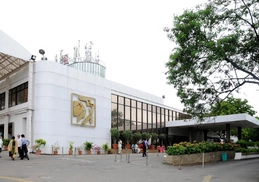
Top Hospitals for Gastric Sleeve
We partner with India's most respected accredited hospitals.





Frequently Asked Questions
You will lose between 50 to 70 percent of your excess weight by 12 to 18 months of surgery. You will be able to maintain the weight loss by following the instructions of the doctor. A healthy and planned diet, physical exercise, etc. are some of the things you need to do
The most crucial benefit that you will have is weight loss. You will lose up to 70 percent of your excess weight through it. It also helps control obesity-linked complications like Type 2 diabetes, hypertension, sleep apnea, etc. It happens due to the direct effect of weight loss and partly due to the change in body hormones.
Sleeve gastrectomy is a safe procedure with very few risks and complications. It has a success rate near to ninety-nine percent. Like other weight loss surgery, a sleeve gastrectomy also has some side effects. But it is very much possible to control these by strictly following the instructions of the doctor
During a sleeve gastrectomy, the surgeon will remove more than eighty percent of the size of your stomach. It helps to limit your food intake as you will feel ‘full’ with small quantities of food. There will also be a fall in the levels of ‘hunger hormones’ produced by the stomach. This way, you will feel less hungry, as well
The approximate cost of gastric sleeve surgery in India will be in the range of 6000 to 8000 USD. International patients coming for a sleeve gastrectomy in India will have to be in the country for about two weeks
Get a Free Quote
We respond within 2 working hours.
Request Received!
A coordinator will contact you within 2 working hours.