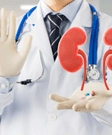
General urology in India
General urology deals with treatments and surgeries related to bladder, urethra, ureters, kidneys, and adrenal glands.
Get a Free Quote
Our coordinators respond within 2 working hours.
🔒 100% confidential. No spam, ever.
Your Journey with INDHEAL
Free Consultation
Share your medical reports. Our coordinators connect you with the right specialist within 2 working hours.
Travel to India
We arrange your visa letter, airport pickup, and accommodation near the hospital.
Treatment
Your procedure at a JCI or NABH accredited hospital with an internationally trained surgeon.
Recovery
Recuperate comfortably with dedicated nursing care and daily coordinator check-ins.
Follow-up
Return home with full medical records and ongoing remote follow-up from your care team.
Why Choose India for General urology?
Save 60–80%
World-class treatment at a fraction of US, UK or Australian costs — without compromising on quality.
Expert Surgeons
Internationally trained specialists with thousands of successful procedures and global accreditations.
No Wait Times
Get treated within days of arrival. Full concierge support for visa, travel and accommodation.




Frequently Asked Questions
Urology is the branch of medical science dealing with disorders of the urinary tract system of both genders and also that of the male reproductive organs. Urinary tract system can be termed as the drainage system in the body as it is responsible for creation, storage and removal of urine from the body. The main parts of urinary tract are
1. Kidneys which filter out the waste from the blood and creates urine from it
2. Ureters which are the tubes that take the urine from the kidney to the bladder
3. Bladder where the urine is stored
4. Urethra which is the tube through which urine flows out of the body
The male reproductive system consists of
1. Penis through which the sperm is released from the body
2. Scrotum is the sac behind the penis which holds the testicles
3. Testicles are the 2 oval shaped organs which produce the hormone testosterone and sperm
4. Prostate gland which adds the fluid to the sperm in order to produce semen
Urologist is a specialist doctor who treats diseases related to any of these parts or organs mentioned above.
Some of the most common procedures performed by urologists are detailed below
Kidney stone removal: Kidney stones are deposits of calcium oxalate and other minerals formed inside the kidneys. These are formed when the urine has these minerals in it either due to dietary factors, medical issues such as gastric surgery or bowel diseases like chronic diarrhoea. This may cause severe pain when the stone moves within the kidney and down to the ureter.
Treatment procedure would depend on the size of the stone and its position in the urinary tract. Medications like alpha blocker are used for smaller stones where after a period of medication, stone would pass through the urine. Larger stones would need procedures like ESWL (Extracorporeal Shock Wave Lithotripsy) where sound waves are used as shock waves to break the stones and PCNL (Percutaneous nephrolithotomy) where the stone is surgically removed through instruments inserted through a small incision in the back.
Bladder neck incision (BNI): This is a surgical procedure done in men who have problems with urine passing due to stenosis or blockage in the bladder neck. This is typically caused by an enlarged prostate gland.
Vasectomy: Vasectomy is a birth control or sterilization procedure for men which ensures that sperm does not leave the testes thus preventing fertilization in the female during sexual intercourse. During this procedure, the vas deferens which is the duct that carries the sperm from the testes to the urethra will be cut or tied.
Vasectomy Reversal: This procedure is done on people who have undergone vasectomy and are now looking for a reversal of the same. This is a slightly more complicated procedure than vasectomy and involves reconnecting the vas deferens tube.
Urethroplasty: This is a surgical procedure to reconstruct the urethra in cases of urethral strictures caused by injury or other causes.
Urinary tract infection: It is an infection affecting any part of the urinary tract system like the kidney, urethra or bladder. Treatment is primarily based on proper medication.
Urinary diversion: This is a surgical procedure to re-route the flow of urine and is done in cases of severe issues or defects in the urinary tract which makes the normal flow of urine not possible or becomes extremely painful.
Varicocele: This is an enlargement of the veins within the scrotum. This can cause low sperm count leading to infertility. Urologists use micro surgical procedures to correct this problem.
Vaginal prolapse: This is a condition where the bladder, uterus or bowel protrudes out into the vagina and this happens when the vagina structure becomes weak. Exercises, medications and in some cases, surgery may also be required to treat this condition.
A urologist treats ailments pertaining to the urinary tract and the male reproductive system. A person will be referred to a urologist if they have issues with their bladder, urethra, ureters, kidneys and adrenal glands.
A urologist can treat a range of diseases. People should contact a urologist if they suffer from any of these conditions:
Urinary tract infections: This happens when bacteria moves from the digestive tract to the urethra. Symptoms are:
· Burning during urination
· Frequent urge to urinate
· Pain during urination
· Pain in the lower back
· Cloudy, bloody urine
· Fevers or chills
Incontinence: An issue with the urinary system, in which the patient is unable to control their urine from leaking out. Symptoms include:
· Urine leaks when pressure is exerted on the bladder by coughing, sneezing laughing etc.
· Inability to hold urine following an intense urge to urinate
Male Infertility: Inability to conceive due to a variety of reasons, even after trying for a year. Common symptoms include:
· Difficulty in ejaculation
· Reduced or no sexual desire
· Difficulty in maintaining an erection
· Swelling of the testicles
· Repeated respiratory infections
· Low sperm count
Kidney Problems: Issues of the kidney could range from kidney stones to kidney failure due to damage to the kidney. Symptoms include:
· Reduced urine
· Swelling of legs, ankles due to water retention
· Fatigue
· Shortness of breath
· Nauseous and dizzy
· Foamy and/or bloody urine
· Muscle cramps
· Seizures
Hernia: A bulge or protrusion in the abdomen or groin, which can cause discomfort and pain. Symptoms include:
· A lump in the affected place
· Pain and discomfort especially when coughing, bending down or lifting heavy weight
· Burning sensation near the bulge
Bladder Prolapse: This happens when the tissues and muscle of the pelvic floor are either stretched or too weak to support the organs in the pelvis. The bladder can bulge or drop through this layer into the vagina. Symptoms include:
· Pressure/pain in the pelvis
· Difficulty urinating
· Protrusion of tissue from the vagina
· Painful intercourse
· A feeling that the bladder is not empty after urinating
Enlarged Prostate: This is a condition in which the prostate has grown bigger. It usually affects older men. Symptoms include:
· Difficulty urinating
· Frequent feeling of urination
· Feeling that the bladder hasn’t emptied
· Pain in lower back or pelvis
Peyronie’s Disease: This occurs when plaques or flat scar tissue form under the skin of the penis. This can cause bending or curving of the penis during intercourse. Symptoms include:
· Hard lumps on the side(s) of the penis
· Painful erection and intercourse
· Bending of penis
Urethral stricture: This is the narrowing of the urethra. This can lead to blocking in the path of the urine from the bladder. Symptoms include:
· Painful urination
· Less urine
· Urinary tract infections
Ready to get started?
Free consultation. No commitment. Response within 2 working hours.
Get a Free Quote
We respond within 2 working hours.
Request Received!
A coordinator will contact you within 2 working hours.