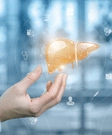
Liver Transplant in India
Liver transplant surgery is a transplant procedure where the patient's liver is replaced by a portion of liver from a donor
Get a Free Quote
Our coordinators respond within 2 working hours.
🔒 100% confidential. No spam, ever.
Your Journey with INDHEAL
Free Consultation
Share your medical reports. Our coordinators connect you with the right specialist within 2 working hours.
Travel to India
We arrange your visa letter, airport pickup, and accommodation near the hospital.
Treatment
Your procedure at a JCI or NABH accredited hospital with an internationally trained surgeon.
Recovery
Recuperate comfortably with dedicated nursing care and daily coordinator check-ins.
Follow-up
Return home with full medical records and ongoing remote follow-up from your care team.
Why Choose India for Liver Transplant?
Save 60–80%
World-class treatment at a fraction of US, UK or Australian costs — without compromising on quality.
Expert Surgeons
Internationally trained specialists with thousands of successful procedures and global accreditations.
No Wait Times
Get treated within days of arrival. Full concierge support for visa, travel and accommodation.



Frequently Asked Questions
A liver transplant is a surgery during which a diseased liver which has stopped functioning properly is replaced with a healthy liver, either from a living donor or a deceased donor.
The liver is one of the most vital organs of the body, whose primary functions include the elimination of toxins, protein synthesis, blood sugar regulation, fat metabolism etc. During the detoxification of the body from harmful agents like drugs, alcohol etc, the liver is subject to constant abuse. Due to an overload of toxins or certain diseases, the liver may stop functioning in the optimal level necessary to maintain a healthy body.
Treatment for liver failure or end-stage chronic liver disease is a liver transplant. Similarly, liver cancer or Hepatocellular carcinoma treatment also relies on liver transplant as a last resort.
The outcomes for liver transplants are excellent, and young recipients can go on to live a healthy normal life for about 25-30 years after the operation. The initial three months after the surgery are the hardest, since the body is getting used to the new liver and there will be some amount of pain and discomfort associated with it. Medications will be prescribed by the doctor to help heal the wound and for pain management. Once the patient has recovered, they can go about their normal life as before with very less restrictions. Getting back to work, indulging in sports activities, travelling, driving and entertaining are all possible with 4-6 months from the surgery.
Certain lifestyle adjustments that are required after the surgery:
· Avoiding alcohol and other toxins, as much as possible
· Avoiding contact or inhalation of toxic fumes such paint fumes, pesticides and insecticides
· Maintain a healthy weight through proper intake of healthy food
· Avoid drinking water from contaminated sources
· Avoid people who are suffering from, or recently suffered from contagious diseases
In liver transplant surgery, a portion of a healthy liver from a living donor (live donor transplant) or a liver harvested from brain dead or just dead person (cadaver transplant) is transplanted into the recipient after the removal of the diseased liver. Once transplanted, the new liver will start functioning and carries out all the duties of a healthy liver.
Although liver transplants come with its own share of significant risks, the success rate for it is quite high.
According to the National Institute of Diabetes and Digestive and Kidney Diseases (NIDDK), the survival ratesfor a liver transplant are:
· 86 percent at 1 year
· 78 percent at 3 years
· 72 percent at 5 years
The 20-year survival rate is about 53 percent.
The risks involved with a liver transplant surgery are:
· Rejection of the liver
· Failure of the new liver
· Infections
· Bleeding
· Side effects of medications
Our body’s immune system is constantly trying to protect our body from foreign objects and tissues. By detecting the antigens which coat these harmful substances, our immune system recognizes them as foreign objects and work towards destroying them. Similarly, when a new liver is placed inside our body, our immune system detects it as a foreign body and tries to destroy it. This process of the recipients immune system trying to attack and destroy the transplanted organ is known as rejection.
One of the reasons, why doctors try to match the livers between the donor and the recipient as much as possible – the more similar the antigens between the two livers, the lesser the chance that the liver will be rejected.
There are three types of rejections:
· Hyperacute rejection, which occurs within minutes of the transplant. This could be due to various reasons, common one being a mismatch of blood group, between the donor and the recipient. For such a rejection, the liver needs to be removed immediately or the patient may die.
· Acute rejection, which can occur anytime from the time of surgery up-to three months. Acute rejection can be treated, and it does not mean that the recipient will lose the liver. However, it is very important that this be detected early.
· Chronic rejection, which can take place over years. The body’s continuous effort at destroying the transplanted liver can cause a lot of permanent damage, over the years. Chronic rejection is much more difficult to treat, and the liver may eventually lose its function.
Symptoms of rejection:
· Fever
· Discomfort, uneasiness
· Dark urine
· Jaundice – the skin and the white of the eyes become yellow
· Flu-like symptoms
· Pain and swelling in the abdomen
Steps to follow to decrease the chance of a rejection or infection:
Dos:
· Strictly keep up your follow-up appointments. This will be twice or thrice a week initially, then taper down to once a week, once in two weeks, once a month, once in few months, once a year etc.
· Never ever forget to take the medicines especially immunosuppressant, on time, for the rest of your life
· Inform your doctor about any after-effects of the surgery or side effects of medicines like headaches, mood changes, tremors etc.
· Undertake an exercise regimen as advised by the doctor.
· Always stick to the prescribed diet
Don’ts:
· Never take alcohol, even if the condition that warranted the transplant was not alcohol related.
· Don’t expose yourself to situations where it is easy to pick up infections
· Never neglect even a small sign of infection starting from a mild skin infection.
Ready to get started?
Free consultation. No commitment. Response within 2 working hours.
Get a Free Quote
We respond within 2 working hours.
Request Received!
A coordinator will contact you within 2 working hours.