
Lung Cancer in India
Lung cancer is cancer that begins in the lungs.The main types are Adenocarcinoma, large cell carcinoma and small cell cancer
What is Lung Cancer?
Lung cancer is one of the most common types of cancer in men and women. It accounts for more death than prostate, breast, colon, and skin cancers combined.
The signs of lung cancers show up only in the advanced stages. Lung cancer occurs typically in those above the age of 65. While smoking is the most important risk factor for lung cancer, nonsmokers are also affected.
Over 85 % of all lung cancers are non-small cell lung cancers. Surgery, radiation, and chemotherapy are the main treatment options. Small cell lung cancers, though they are rare, are the more dangerous type.
Lung cancer causes and risk factors
Lung cancers occur when the cells in your lungs start multiplying abnormally. However, we do not know the reason for this.
But, we do know that certain factors increase your risk of getting lung cancer. These are
- Smoking - Small cell lung cancer is more common in smokers. Second hand or passive smoking, which is due to someone else smoking near you, is also a risk.
- Exposure to radon, asbestos - Those working or living in basement rooms, miners, textile mills, shipyards, etc., have high exposure to radon and asbestos dust.
- Exposure to industrial chemicals
On top of this, there are some other risk factors which you cannot control such as
- Previous history of lung cancer
- A family history of lung cancer
- History of radiation therapy to the chest
- Pollution
Types of lung cancer
There are two main types
- Small-cell Lung cancer(SCLC)- It is an aggressive type of lung cancer that shows a tendency to spread to other organs very quickly. It accounts for about 12% of all lung cancers. Smoking is the most important risk factor for this type of cancer.
- Non-small cell lung cancer (NSCLC)- Almost 87 % of all lung cancers belong to this type. There are different variants of this type, depending on where they originate.
The three main types of NSCLC are
- Adenocarcinoma- It starts in the glands that produce mucous in the lungs or airways.
- Squamous cell carcinoma- This cancer originates from the flat cells that line the lungs.
- Large cell carcinoma- In this type, the cells appear large and are poorly differentiated.
Apart from these, certain rare types of lung cancers originate from the lungs or associated structures. They are
- Pancoast tumors- These cancers occur in the upper portion of the lungs.
- Mesothelioma- They originate in pleura, which is the layer of tissue that covers the lungs.
- Secondary lung cancers- This occurs due to the spread from other organs.
Lung cancer signs and symptoms
The signs and symptoms vary as per the type of cancer you may have. In most cases, these signs show up only during the advanced stage.
Some of the early signs of lung cancer common to all types are
- Chronic cough
- Shortness of breath that increases with activity
- General tiredness
- Loss of appetite
- Unexplained and sudden weight loss
- Some of the less common symptoms are
- Hoarseness of voice
- Sudden onset of wheezing
- Repeated bouts of pneumonia or bronchitis
- Difficulty in swallowing
- Swellings in the neck
- Spitting blood while coughing
- Clubbing of fingers
- Pain in the chest, back or shoulder areas
- Chest or back pain that worsens while coughing, laughing or deep breathing
If you have any of these signs, you must take it very seriously. Early identification of lung cancer can help.
As the stage advances, various other symptoms may also occur. The signs include
- Pain in the bones
- Swellings in the neck, arms or face regions
- Unexplained headaches
- Weakness of the arms or legs
- Sudden onset of jaundice
- Feeling dizzy or light-headed
Lung cancer diagnosis
Some commonly performed tests to identify lung cancers are
- CT scans and PET scans
- Bronchoscopy and biopsy- Bronchoscope is a tube containing a camera. The doctor will introduce that into the lungs through a procedure. It helps the doctors to see the tumor from the images transmitted to a monitor. The doctor will also collect tissue samples from the affected areas.
- Endobronchial ultrasound (EBUS) – It is an ultrasound scan of the bronchioles of the lungs with the help of an endoscope.
- Thoracentesis- This procedure is to study any fluid accumulation and the presence of cancer in it
- Video-assisted thoracoscopic surgery (VATS) biopsy
- Sputum cytology- It helps detect the presence of cancer cells in the sputum.
- Fine needle aspiration (FNA) biopsy
Lung cancer stages
There are two stages in Small cell lung cancer which are
- Limited stage-In this, the cancer is limited to any one of your lungs. It may or may not have spread to nearby lymph nodes.
- Extensive stage-In this, cancer affects both the lungs. It might also have spread to other organs.
Non-small cell lung cancer has five stages.
- Stage 0: Your cancer is very small and well localized. Cancer cells have not spread to the deeper lung tissues or outside your lungs.
- Stage I: Your cancer involves many layers of lung tissues. But it has not spread to nearby lymph nodes.
- Stage II: Cancer has now spread to the deeper layers of your lungs and the lymph nodes near your lungs but only on the affected side.
- Stage III: Cancer occupies a large area of your lungs. It has spread into your lymph nodes on both sides of the chest
- Stage IV: Cancer has spread to other organs of your body like brain, bones, or liver.
Lung cancer treatment
Your doctors will decide on the best treatment for lung cancer depending on the following
- The type of cancer
- The stage of cancer
- The site of cancer
- The spread of cancer
Your general health is also an important factor in decision making for treatment. Most of the cancer treatments can cause various unpleasant side effects. Hence, your doctors will look into your general health before starting the treatment.
Treatment for Non-Small cell lung cancer
The treatment depends on the site and extent of cancer. If the cancer is limited to a small area of the lung, surgery is the most preferred option. It will usually be followed by a course of chemotherapy to destroy any remaining cancer cells.
If cancer involves a large area of the lungs, then surgery is not an option. The treatment then will be radiation therapy followed by chemotherapy.
If cancer is in the advanced stage, chemotherapy is the first choice of treatment. Other options include immunotherapy or targeted therapy.
Treatment for Small-cell lung cancers
Chemotherapy is the first-choice treatment for small-cell lung cancers. You may have radiation therapy after chemotherapy to get relief from symptoms. Surgery is rare in the case of small cell lung cancers.
Surgery for lung cancers
There are three main types of surgery, which are
- Lobectomy – It is the first option if your cancer has affected only a single lobe.
- Pneumonectomy – Here, the surgeon will remove your cancer affected lung. Removal of a lung will not affect your ability to breathe to a significant degree.
- Wedge resection or segmentectomy – The surgeon will remove only the portion of the affected lung. It is suited for early-stage lung cancer where the cancer is limited to a small area of the lungs.
The average duration of the surgery will be around 3 to 4 hours. You will have to be in the hospital for 5-7 days to be followed by recovery at home.
Risks and complications of surgery
Like other major surgeries, these surgeries have some amount of risk. The most common ones are
- Lung infections like pneumonia
- Severe bleeding
- Clots in the large veins of the legs
Radiation therapy for lung cancers
In radiation therapy, sharp and precise beams of x-rays destroy the tumor cells in your lungs.
In NSCLC type, you may have radiation therapy if your health does not permit surgery.
If you have SCLC, you may have radiation therapy before or after chemotherapy.
Stereotactic radiotherapy is useful for small and localized lung cancers. You will not need surgery here.
Radiation is also a palliative treatment for advanced-stage lung cancers. It helps to relieve the pain.
There are two methods of radiation treatment.
- External beam radiation therapy – Radiation beams are directed to affected parts of your body from a machine placed nearby.
- Internal radiotherapy – Also called brachytherapy, this involves the placement of a small source of radioactive material close to the site of the tumor
Each session of radiation lasts only for a few minutes. You will have one session a day for five days a week. The break in between is to help you recover from the side effects. Lung cancers usually will need around 30 to 35 sessions of radiation
Chemotherapy for lung cancer
This treatment uses powerful drugs to treat lung cancers. In treating lung cancer, it may be used before surgery or radiation to shrink the tumor. It may also be done after surgery or radiation to destroy any remaining cancer cells.
Chemotherapy is the most preferred treatment for small-cell lung cancer.
Each cycle will last for a few days. You will have a period of rest before the next cycle. This rest time allows the drug to start acting on cancer and help you recover from the side effects as well.
Your doctor will decide on the number of cycles as per your condition.
Immunotherapy for lung cancer
In immunotherapy, you will have medicines that increase your immunity. It helps the immune system to fight and destroy cancer cells.
At times, the cancer cells mask themselves as healthy cells. It makes it difficult for your immune system to detect its presence. Immunotherapy prevents this disguise by making it easy for the immune system to attack and destroy cancer cells.
Each session lasts about 45 minutes, and you will have a gap of 3-4 weeks between sessions.
Targeted therapy or biological therapy for lung cancers
In this, you will have drugs that specifically target and destroy the cancer cells. It helps to reduce the harm caused to normal healthy cells. This treatment is useful only for certain types of lung cancers.
Lung Cancer rehabilitation
Lung cancer treatment will leave a trail of after-effects in your body. It can impact your quality of life. Hence you will need help and support to lift your spirits and cheer you up. Along with physical rehabilitation, it helps you to adjust more faster to life after cancer.
You will also need periodic check-ups to make sure that cancer has not come back. Early detection can help in early treatment, thereby improving the outcome
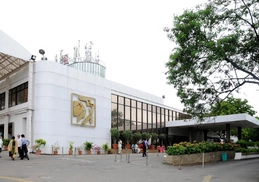
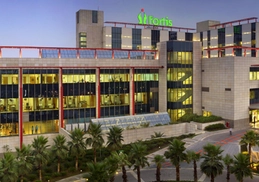
Top Hospitals for Lung Cancer
We partner with India's most respected accredited hospitals.



Frequently Asked Questions
There are two main types – Non-small cell lung cancer (NSCLC) and Small-cell lung cancer (SCLC).
NSCLC is the most common type accounting for more than 85% of the total cases. Within NSCLC, there are three sub types which are Adenocarcinoma, Squamous cell carcinoma and Large cell carcinoma
The symptoms of lung cancer usually do not show up in the early stages. However, you must watch out for these signs. If you have them, please consult a doctor immediately
- Persistent cough that doesn’t go away even after weeks
- Change in the way you cough
- Problems with breathing
- Chest pain
- Weight loss without any reason
- Change in voice – deeper, hoarse voice
The success of the treatment depends on the stage of the cancer and your overall health. If you are generally healthy and treatment is at the early stage, treatment, especially surgery, will be very effective and can even cure.
Treatments for advanced stages will need combinations of surgery and other therapies like chemotherapy and radiation therapy. Here again, the success depends on the extent of the spread to other parts of the body and your general health
Healthcare facilities in India are very good. There are many good hospitals in India with top class doctors for cancer treatment. Some of the best hospitals for lung cancer treatment are
- Fortis Hospital, Bangalore
- Fortis Hospital, Mulund, Mumbai
- Apollo Hospitals, Chennai
- HCG Cancer hospital
- BLK Hospital, New Delhi
Get a Free Quote
We respond within 2 working hours.
Request Received!
A coordinator will contact you within 2 working hours.