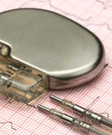
Pacemaker implantation in India
Pacemaker is a device, which when implanted, sends electric impulses to the heart muscle to maintain the heart beat
Get a Free Quote
Our coordinators respond within 2 working hours.
🔒 100% confidential. No spam, ever.
Your Journey with INDHEAL
Free Consultation
Share your medical reports. Our coordinators connect you with the right specialist within 2 working hours.
Travel to India
We arrange your visa letter, airport pickup, and accommodation near the hospital.
Treatment
Your procedure at a JCI or NABH accredited hospital with an internationally trained surgeon.
Recovery
Recuperate comfortably with dedicated nursing care and daily coordinator check-ins.
Follow-up
Return home with full medical records and ongoing remote follow-up from your care team.
Pacemaker implantation — Key Facts
- More than 1 Million pacemakers are implanted every year
- 7-10 years is the average life of pacemaker batteries
- 80% of the pacemaker recipients are more than 65 years old
- People with pacemakers cannot go for any MRI scans
Why Choose India for Pacemaker implantation?
Save 60–80%
World-class treatment at a fraction of US, UK or Australian costs — without compromising on quality.
Expert Surgeons
Internationally trained specialists with thousands of successful procedures and global accreditations.
No Wait Times
Get treated within days of arrival. Full concierge support for visa, travel and accommodation.
Top Hospitals for Pacemaker implantation
View all →



Frequently Asked Questions
Your surgery to have a pacemaker usually takes about two hours. Mostly, you will have sedation and local anesthesia during surgery. General anesthesia is usually not necessary. You will have to stay in the hospital for the surgery for a day. Your recovery will take about two to three days after which you can go back to your normal routine.
Pacemaker implantation is not an open-heart surgery. You will have only a small incision in your chest during the procedure. It is a cardiologist who performs the procedure and not a heart surgeon. You will only need local anesthesia with mild sedation during the procedure
You need a pacemaker if your heart beats slower than normal. A lower heart rate will reduce the amount of blood your heart pumps to other parts of the body. By having a pacemaker, your heart rate increases to normal levels. The pacemaker will increase the heart rate only if it falls below the required rate
Ready to get started?
Free consultation. No commitment. Response within 2 working hours.
Get a Free Quote
We respond within 2 working hours.
Request Received!
A coordinator will contact you within 2 working hours.