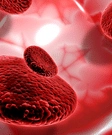
Thalassemia in India
Thalassemia is an inherited blood disorder which makes the body produce an abnormal amount of hemoglobin in the blood
Get a Free Quote
Our coordinators respond within 2 working hours.
🔒 100% confidential. No spam, ever.
Your Journey with INDHEAL
Free Consultation
Share your medical reports. Our coordinators connect you with the right specialist within 2 working hours.
Travel to India
We arrange your visa letter, airport pickup, and accommodation near the hospital.
Treatment
Your procedure at a JCI or NABH accredited hospital with an internationally trained surgeon.
Recovery
Recuperate comfortably with dedicated nursing care and daily coordinator check-ins.
Follow-up
Return home with full medical records and ongoing remote follow-up from your care team.
Thalassemia — Key Facts
- Thalassemia affects approximately 4.4 out of 10,000 live births in the world
- About 1.5% of the world population are carriers of beta-thalassemia
- 300,000 to 400,000 babies are born every year in the world with severe form of thalassemia
- Alpha thalassemia is the most common single-gene disorder in the world
Why Choose India for Thalassemia?
Save 60–80%
World-class treatment at a fraction of US, UK or Australian costs — without compromising on quality.
Expert Surgeons
Internationally trained specialists with thousands of successful procedures and global accreditations.
No Wait Times
Get treated within days of arrival. Full concierge support for visa, travel and accommodation.
Frequently Asked Questions
Thalassemias occur due to a defect in the hemoglobin in the RBCs. The defect occurs due to problems with genes that control the production of hemoglobin in the body. Parents who carry the defective genes pass them on to their children. That is why Thalassemia is hereditary and runs in some families
The signs of the disease occur by the time a baby reaches six months of age. In less severe types, it occur later on in childhood. Also, the signs and symptoms may vary from person to person.
Some of the common symptoms are
- Drowsiness
- Shortness of breath
- Rapid heart rate
- Cold hands and feet
- Dizziness
- Fatigue
- Fainting
- Delayed growth
- Chest pain
Your treatment will depend on the severity of symptoms . Those with few or no symptoms will not need any treatment.
If your symptoms are severe, you may have some procedures to manage the symptoms better
- Blood transfusions- You may need it once every 2 to 3 weeks to once in 3 months.
- Iron chelation therapy-It helps to remove the excess iron that builds up in your body due to regular blood transfusions.
- Folic acid therapy- To promote the formation of more RBC's in your body.
The only treatment that can cure it is a bone marrow transplant.
Ready to get started?
Free consultation. No commitment. Response within 2 working hours.
Get a Free Quote
We respond within 2 working hours.
Request Received!
A coordinator will contact you within 2 working hours.